Witty Networks
Stop Memorizing! Network Training and Troubleshooting Labs for CCNA and CCNP
Hands-on labs built to teach how networks actually break and how to fix them.
Why these labs are different?
Most labs show you what to type.
These labs force you to figure out why things aren’t working.
- No guided steps — you diagnose the problem
- Real misdirection — symptoms don’t always point to the root cause
- Designed to build troubleshooting instinct, not memorization
If you’ve ever configured something correctly and still didn’t understand why it worked, these labs fix that.
Who these labs are for?
- CCNA students who want real troubleshooting practice
- CCNP learners preparing for advanced scenarios
- Engineers who are tired of memorizing commands without understanding
If you want to think like a network engineer and not just pass an exam, this is for you.
Labs for Every Need.
There are several lab formats available: Observation labs, Network Troubleshooting labs, and Network Builds.
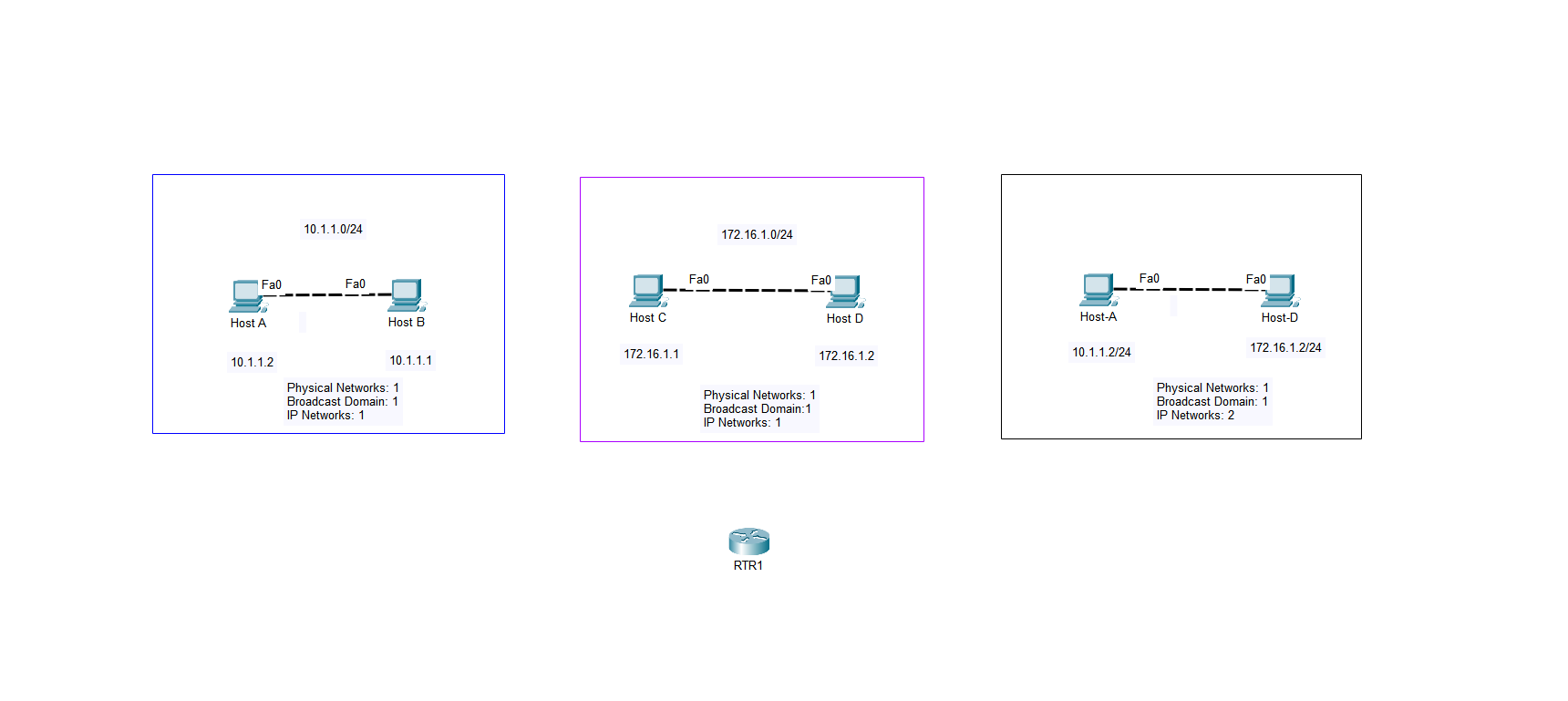
Network Observation Labs
Introduce new concepts with guided structure, helping learners understand what to configure and why it works.
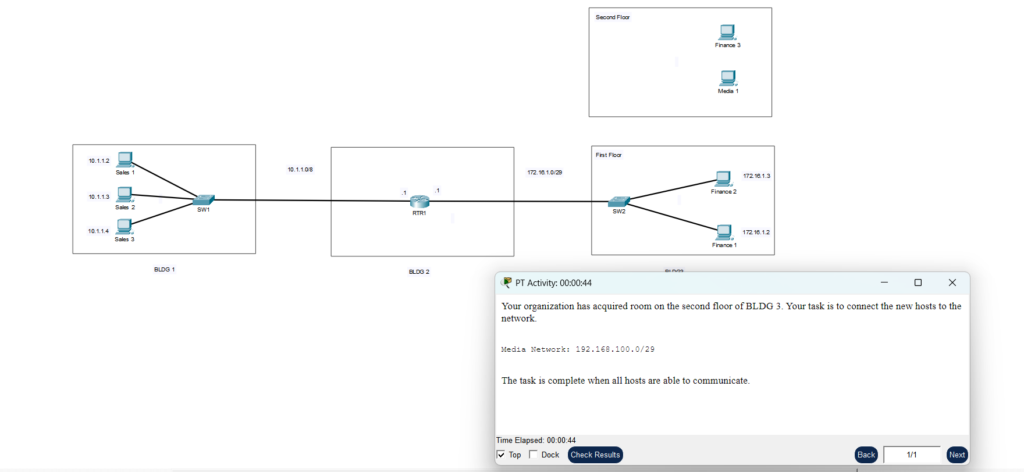
Network Builds Labs
challenge learners to design and implement complete networks from requirements alone, reinforcing architecture, decision-making, and technical communication skills.
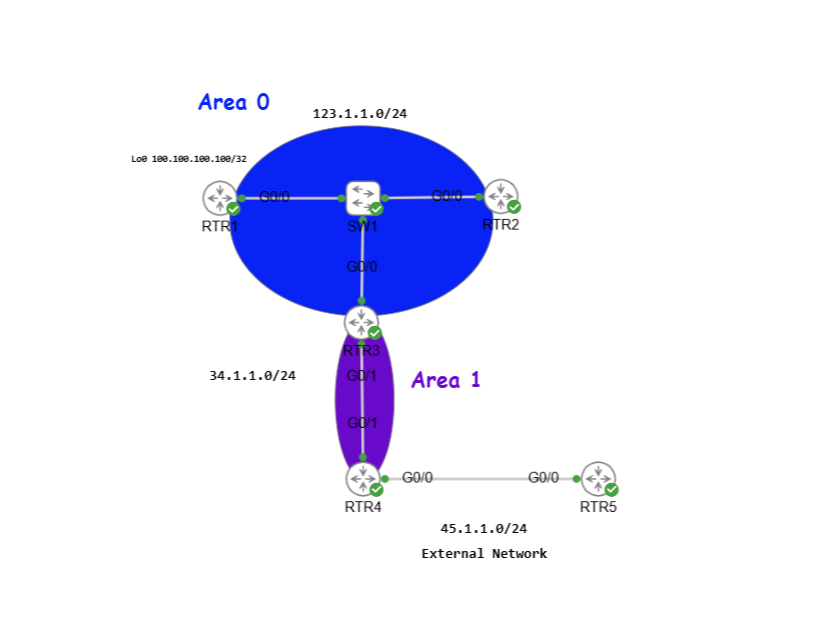
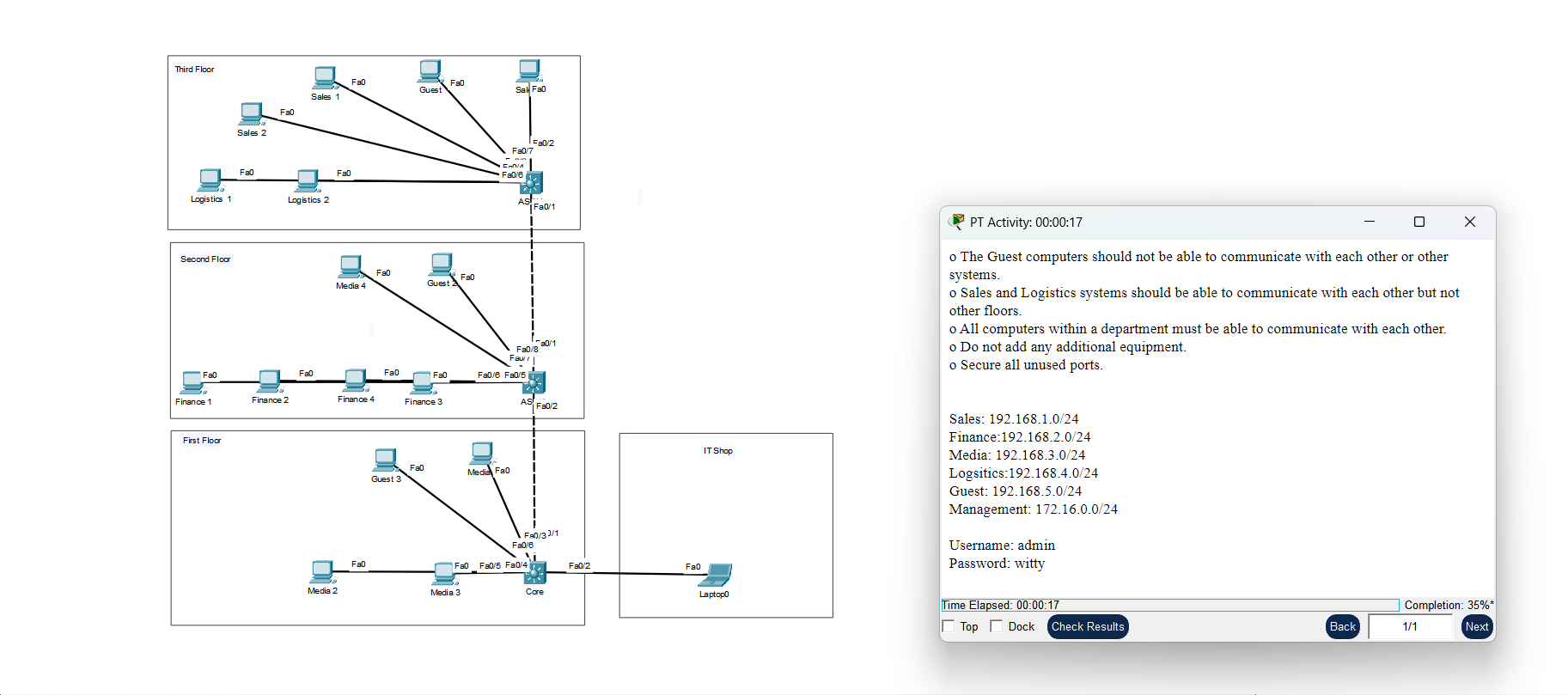
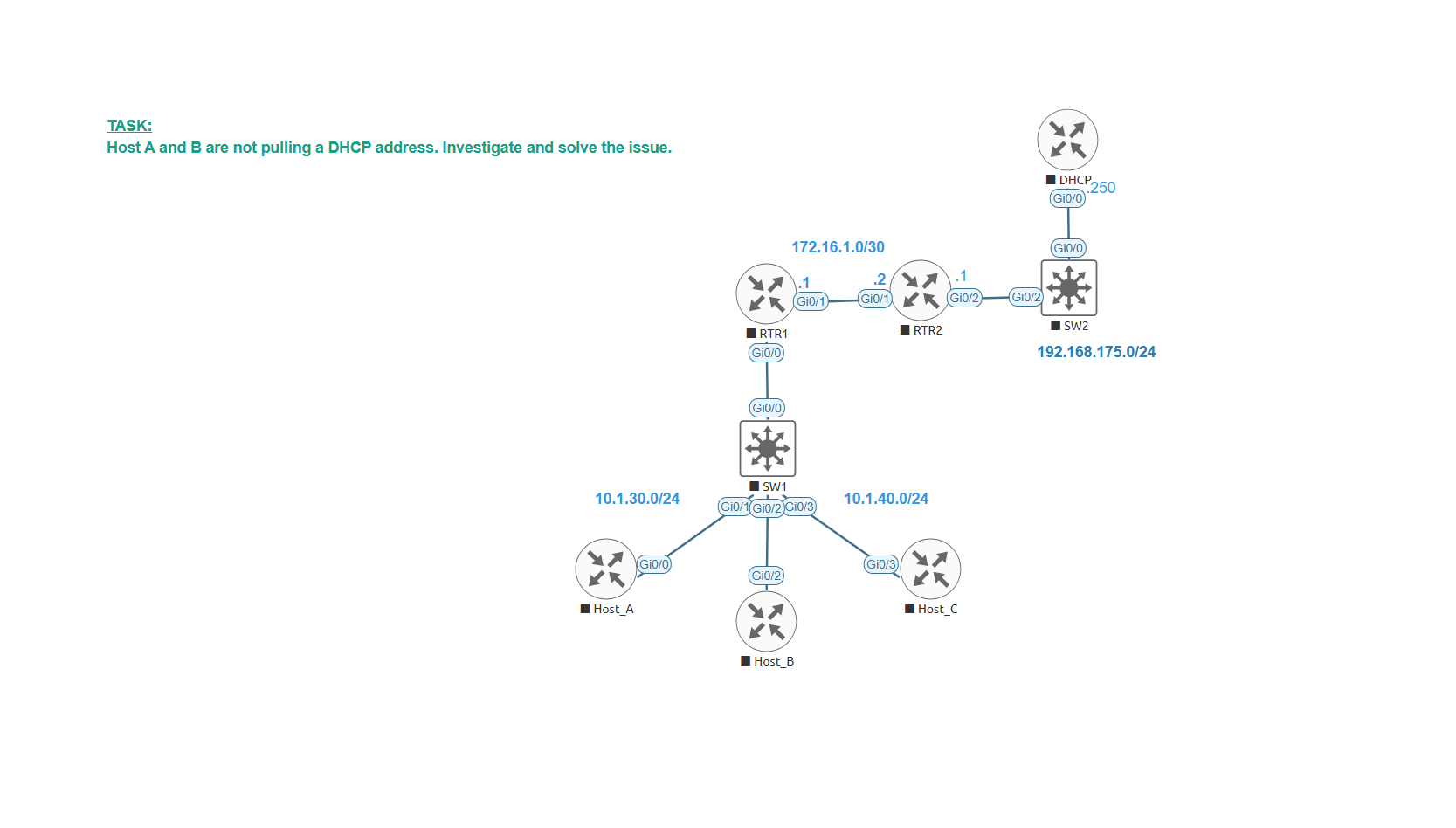
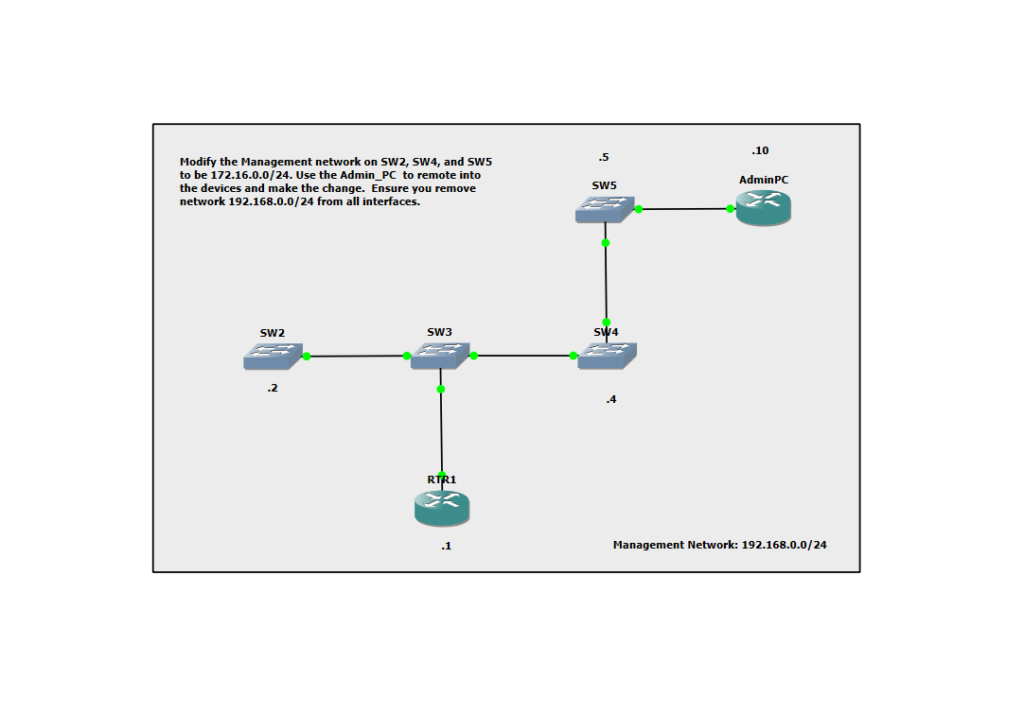

At Witty Networks, my goal is to equip learners with both the theoretical foundation and practical skills required to succeed in real-world operational networks.
I don’t believe confidence comes from simply completing a lab. It comes from understanding why the network behaves the way it does. Every network lab is designed to ensure learners can clearly explain their design decisions, troubleshooting steps, and outcomes, just as they would in a production environment or technical interview.